The Fallen StarBiblical Fiction Anime... Dialed up to the extreme!
Written, cast, directed, and edited by one member of our team, entirely in Pray Production Studio.
Press play. As the film runs, the studio follows along with the exact shot being made.
Six minutes of cinematic scripture. One creator. Every frame generated.
This project was born out of a desire to push the boundaries of AI video generation by blending the iconic aesthetic of 1990s anime classics like Princess Mononoke, Akira, Cowboy Bebop, and Ghost in the Shell with a narrative rooted in biblical themes.
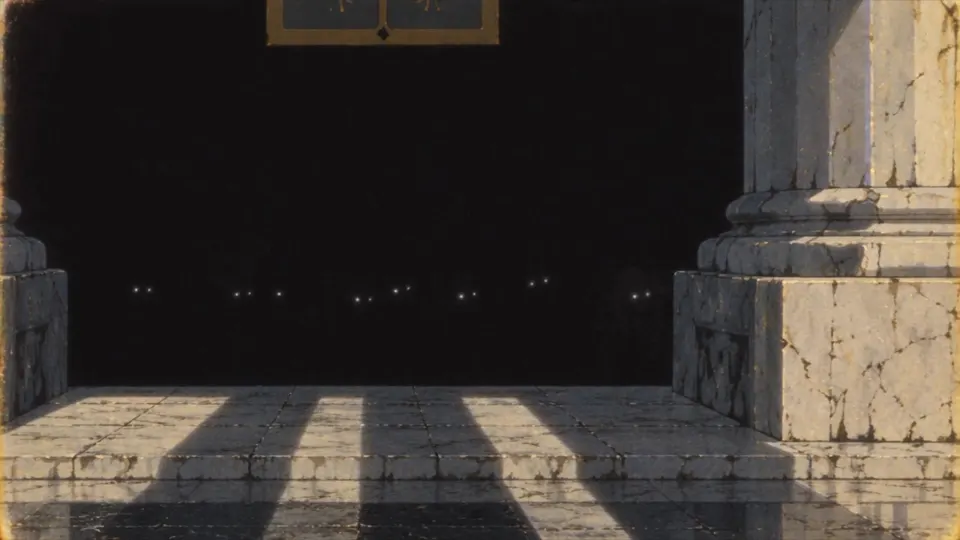
The design consistency was a work of art in itself.
Victor, the director of this piece, treated every shot like a storyboard panel, specifying camera position, focal length, movement speed, and atmospheric detail before a single frame was generated.
Vague prompts produce vague results. Detailed scene direction, describing the exact arc of a burning trail against a calm starfield or the precise way gargoyle eyes gleam along a colonnade, gave Seedance 2.5 the specificity it needed to hold visual continuity across 133 generated clips.
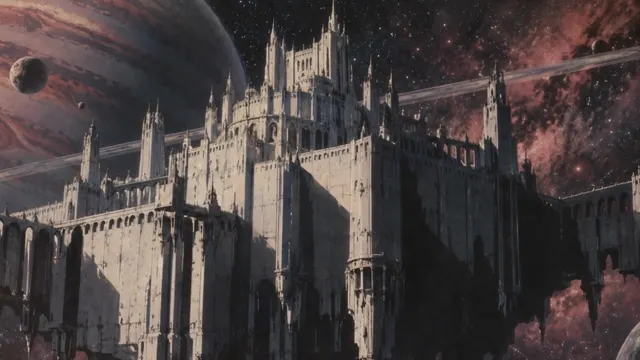
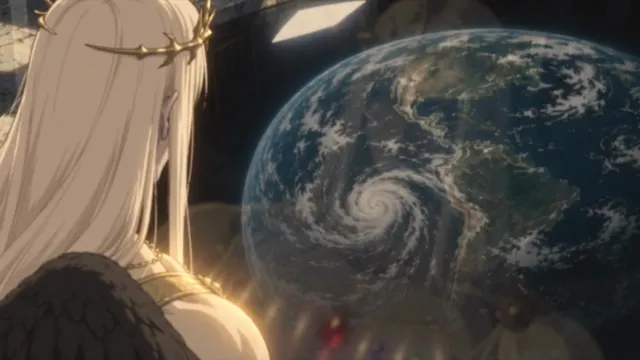
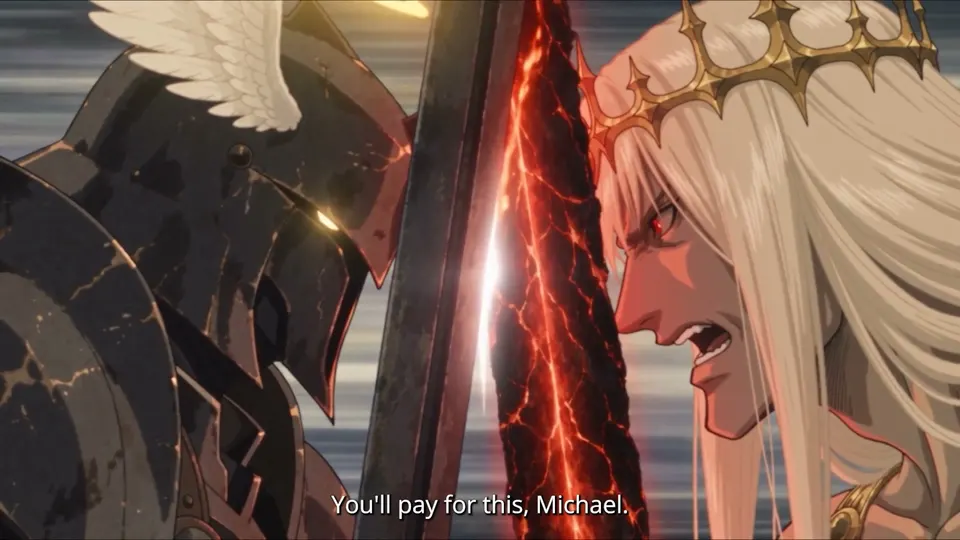
Every frame was curated, and it shows.
The pipeline was image first, video second. One member of our team generated a reference image for each of the 29 shots, establishing the lighting palette, costume detail, and spatial composition before any motion was introduced. Those stills became anchors. When Seedance 2.5 extended them into video clips, the motion had a fixed visual target to hold against.
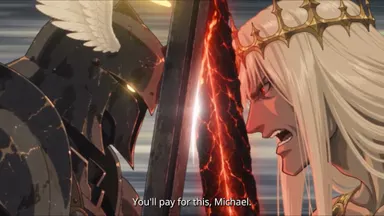
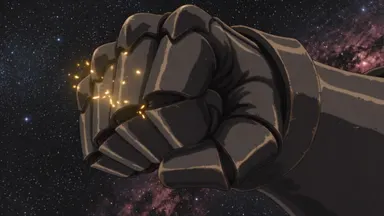
Scenes like The Draw required close attention to sequencing. A trembling hand, coiling flame, a blade condensing in a single hot second. That kind of kinetic detail demanded multiple generated takes per beat, and the 133 total clips reflect that iteration process. Most shots were generated several times at different motion intensities before the right version was selected for the cut.
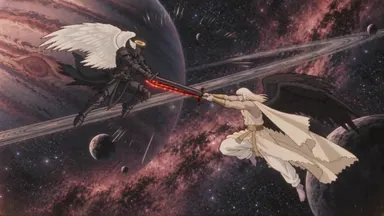
The Fall scene illustrates why patience in generation pays off. A tiny burning trail arcing downward against an enormous, undisturbed starfield is a compositional idea that collapses if the motion feels rushed or the trail too large. Getting that scale right took deliberate iteration, not guesswork.
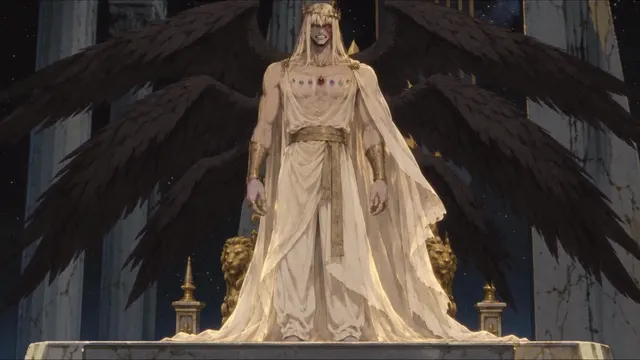
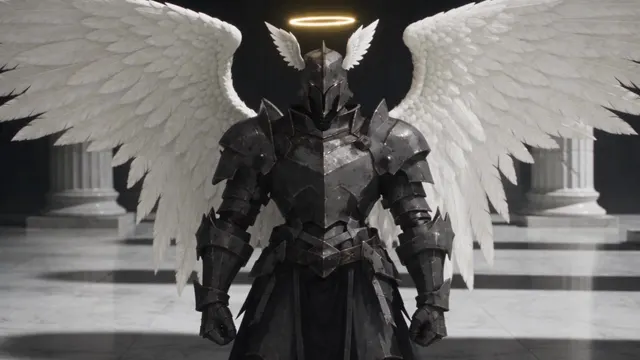
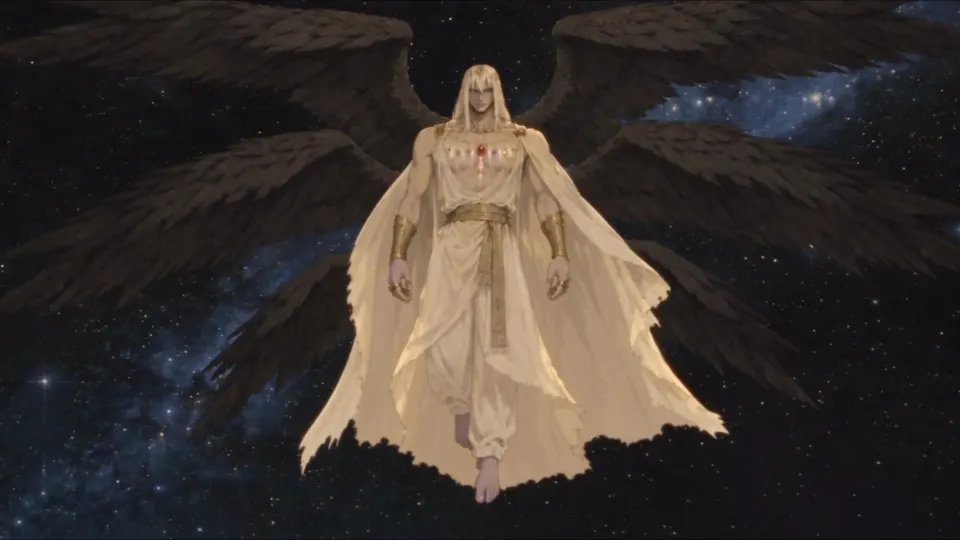
Stillness as a storytelling instrument
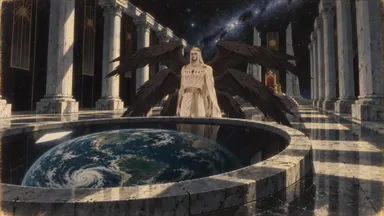
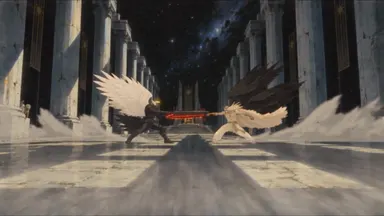
The most consistent directorial choice across The Morning Star is restraint. The great hall battle scene opens on two tiny figures at the center of a roofless colonnade with the full galaxy overhead. Nothing moves. The direction explicitly calls for a long held beat before any action begins. That choice to let emptiness carry weight is what separates cinematic storytelling from illustrated narration.
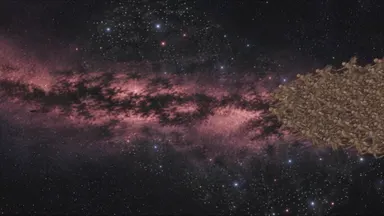
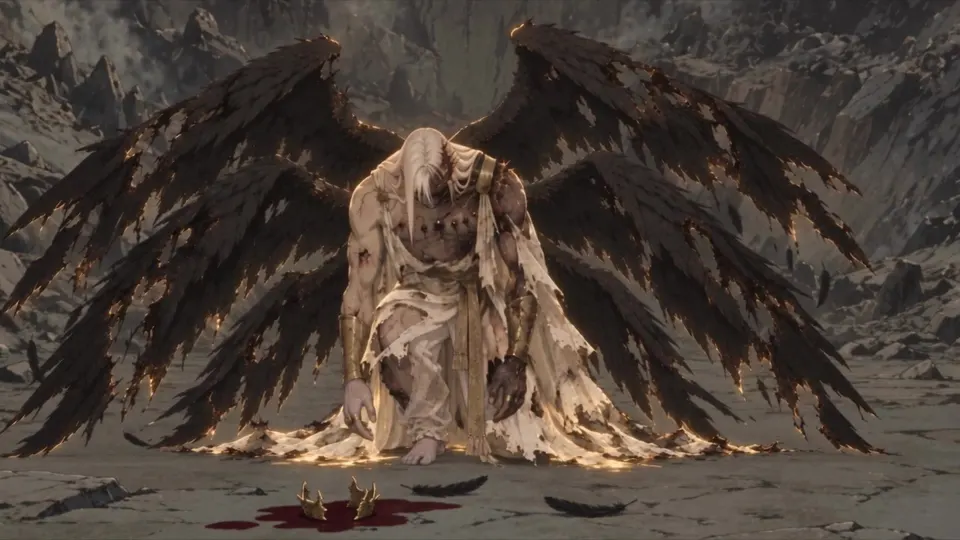
Color was used as a theological signal throughout. The nebula behind the opening citadel bleeds purple and gold, colors of divine grandeur. By the final scene, the crater floor is ash and dirt. The nine gemstones on Lucifer's breastplate, each cracked and dark, provide a visual callback to the brilliance of his first appearance. Those details were written into the scene direction, not added in post.
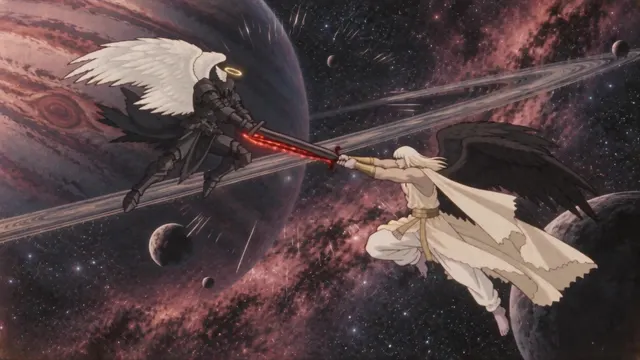
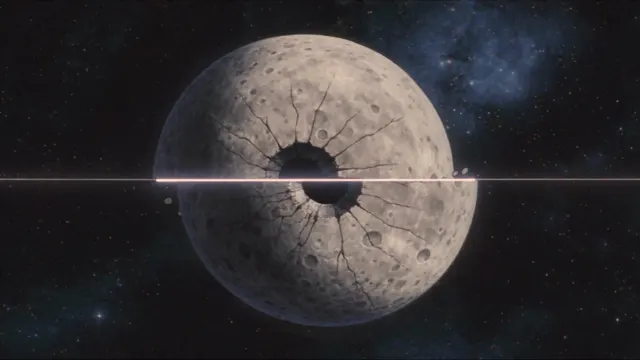
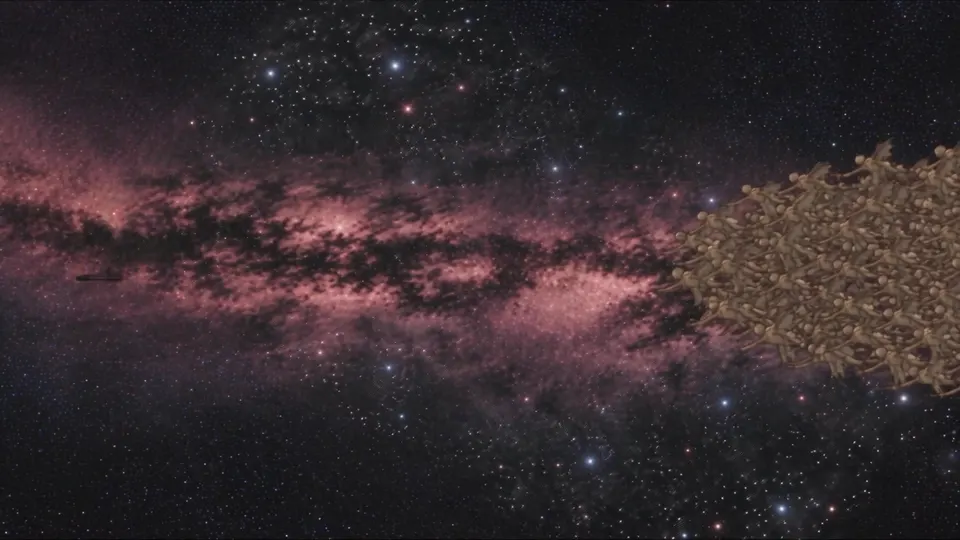
A feature-quality faith film at production budget
All of this was made possible in Sermon Studio, our $499 subscription tier.
Faith content has historically required either large production budgets or significant visual compromises. The Morning Star was made by one person, at a defined cost, without a crew, a set, or a travel budget. If you have a scripture-based story that deserves a cinematic treatment, Pray Production Studio gives you the tools to build it yourself.
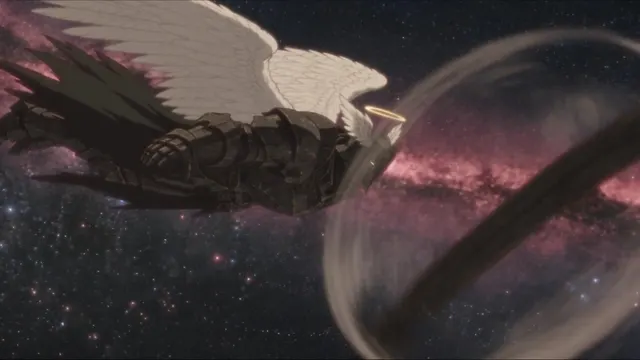
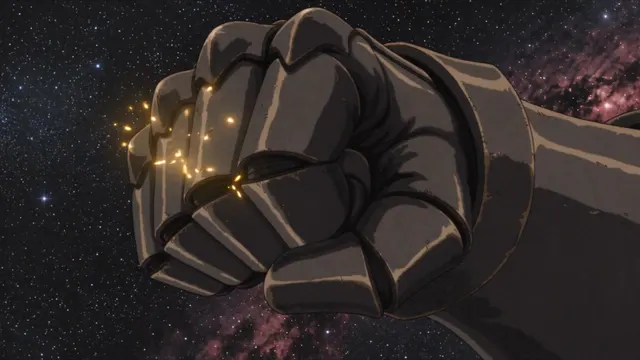
Frames from the final cut.
Your story has waited long enough.
Whether you are adapting a passage of scripture, visualizing a sermon series, or building a standalone short film, Pray Production Studio gives you the same pipeline used to make The Morning Star. Start with a scene, generate a still, extend it into motion, and build from there.
Pray Production Studio is made by Pray.com.